
Our Work
Home > State Fleet Electrification Cohort
STATE FLEET ELECTRIFICATION COHORT
PROGRAM OVERVIEW
While state fleets represent a small percentage of overall vehicles in any state, they play an outsized role in helping a state lead by example, increase technology adoption, reduce costs, support market transformation, and provide a visible example of EV technology at work in their communities. While many states have recognized this and begun to take steps to move towards electrification, more needs to be done.
To support the states making strides toward electrifying their vehicles, the EC launched the State Fleet Electrification Cohort.
What is the State Fleet Electrification Cohort?
The State Fleet Electrification Cohort convenes states to share knowledge, support policy creation and adoption, provide technical assistance, and showcase success. Topics covered include:
- Budgeting and financing, including securing federal funding
- Charging infrastructure planning and installation
- Training and workforce development
- Total cost of ownership (TCO) benefits and analyses
The State Fleet Electrification Cohort currently consists of approximately 75 individuals representing 11 states and their respective state agency departments — including the offices of transportation, energy, administrative services, general services, conservation and natural resources, and budget services — along with fleet operators and managers. Members meet once a month to achieve the following objectives:
- Reevaluate and revise the goal to electrify state-owned and operated fleets.
- Understand the lessons learned, barriers, and solutions to state fleet electrification via states sharing project status, experiences, challenges, and opportunities for mutual support.
- Compile results from the State Fleet Electrification Cohort to bring positive media attention to the states, celebrate successes in EV and charging infrastructure deployment, and empower other states to take part in a lead-by-example effort.
- Complete an analysis by the EC team with the Dashboard for Rapid Vehicle Electrification DRVE Tool and other existing resources.
How can the EC Help?
The EC has gathered extensive expertise in fleet electrification from working with fleets around the country at all levels of government. One example is the Climate Mayors EV Purchasing Collaborative—a multi-city effort that accelerates municipal fleet electrification by leveraging cities’ collective buying power. The EC serves as the technical expert to support city fleet transition planning and helped develop the driveEVfleets portal, a one-stop online procurement portal providing municipalities equal access to competitively bid on EVs and infrastructure.
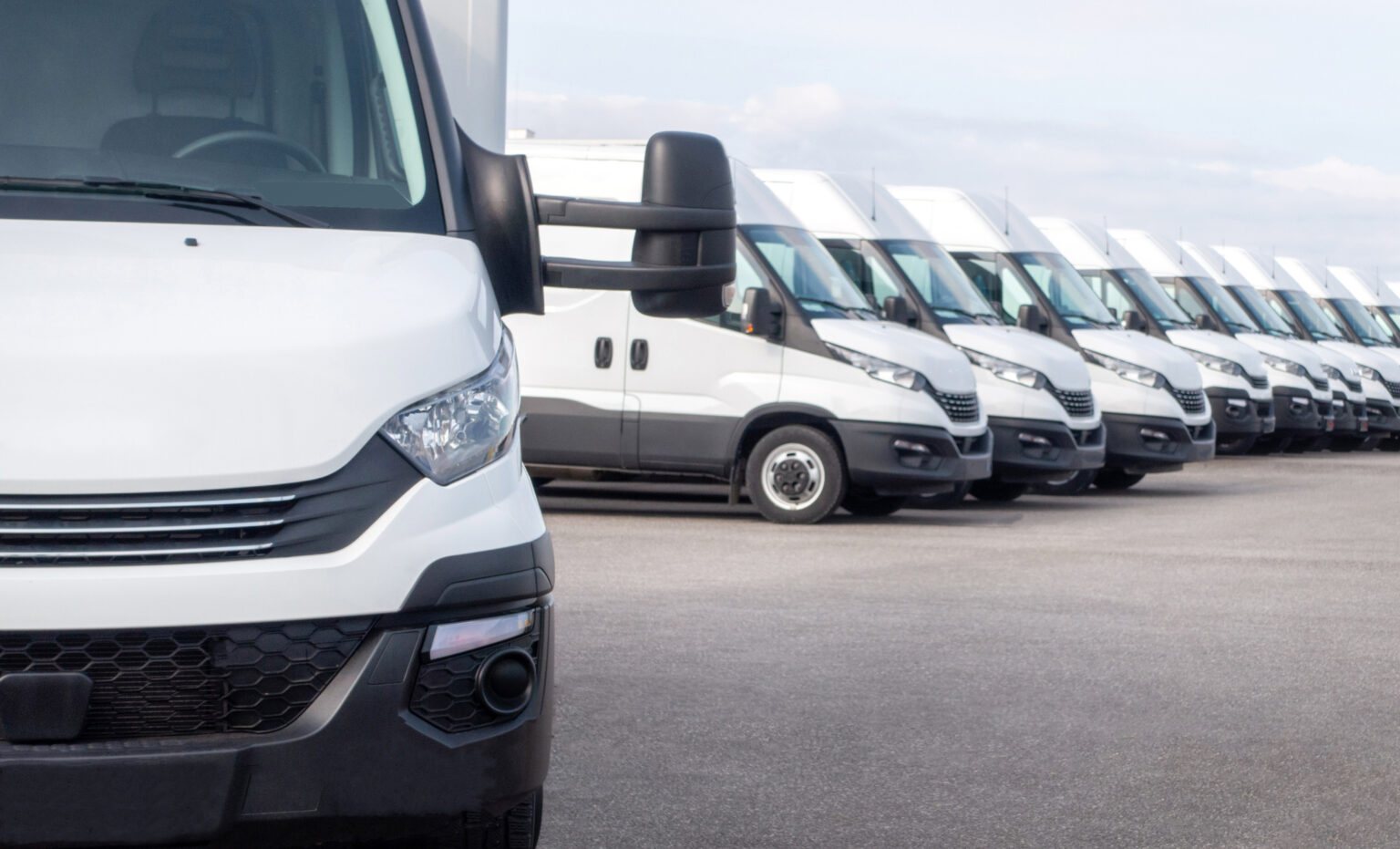
The EC team has also developed the DRVE Tool to help plan the electrification of state fleets in phases, with cost and model availability in mind. Our team has provided a DRVE analysis for four state agencies, with one more state currently undergoing the process. The analysis for the agencies included recommendations for installing charging infrastructure sufficient to support the state fleet’s electrification and for joint procurement strategies—including with localities and other states—to reduce costs through economies of scale.
Join the State fleet electrification Cohort
We look forward to working with your state transportation departments, state fleet operators, and policy leads to electrify your state fleet.
To join the State Fleet Electrification Cohort or request more information, please contact us via our online contact form.