Home > Our Work > State EV Policy > Virginia EV Policy
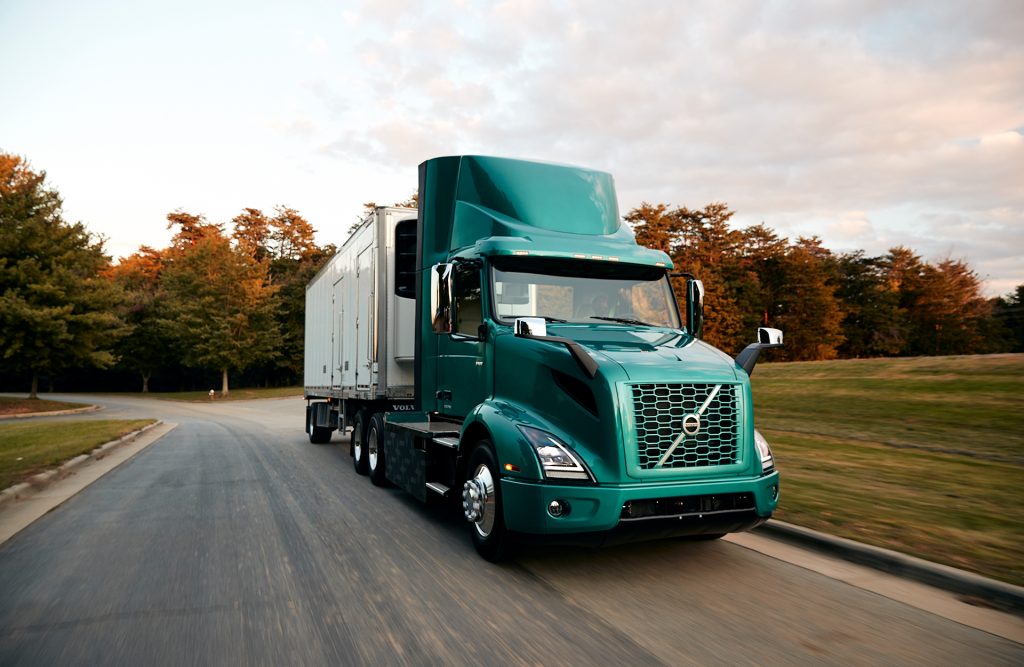
Virginia is a prime state for further private investment in electric vehicle and battery manufacturing, as well as charging infrastructure. Companies such as Volvo Trucks, Mack Trucks, Electrify America, Parsons, ABB, and Audi of America have already made investments in Virginia, stimulating the economy and creating well-paying jobs throughout the state.
In total, more than 230,000 jobs have been created in the EV sector across the United States. As of November 2024, $415.8 million in private investments has been poured into the Virginia EV manufacturing industry, spurred by approximately $519 million in federal funding. Prominent Virginia investments are shown on the map below.
These investments are bolstering American manufacturing and supply chains, which is critical at a time when China has a head start in the global transition to electric transportation. Read more about how electric vehicles can benefit Virginia.
April 14, 2021 Businesses Call on Virginia Governor to Support Electric Trucks and Buses Forty-nine businesses urged Gov. Northam to join multi-state agreement to electrify medium- and heavy-duty vehicles Washington, ...
On September 24, 2020 the Electrification Coalition (EC) brought together a robust group of electric vehicle (EV) policymakers, industry experts, and advocates for an informative and collaborative day-long session about how to accelerate EV adoption ...
Virginia has taken steps to support an electrified transportation future, with coordinated action by the state government, local governments, the private sector, utilities, non-governmental organizations, and other stakeholders. Key policy opportunities in the next couple of years include decisions in utility rate cases that impact EVs, legislative decisions on incentives and building codes, and Virginia’s use of National Electric Vehicle Infrastructure (NEVI) program funds.
The NEVI program provides federal funds to build a reliable, accessible network of public EV charging stations in all 50 states. Virginia’s Department of Transportation has been allotted approximately $100 million to build chargers along major highways and in communities across the state through public-private partnerships.
NEVI funds were frozen in February 2025, but the Federal Highway Administration issued updated guidance in August 2025, and states have since regained access to the funds they were allotted. The new guidance will streamline the program and provide states with greater flexibility when deciding how to use funds.
Virginia submitted an updated state plan in September 2025. The Electrification Coalition will continue to work alongside the state and NEVI awardees to support the construction of a robust and reliable national charging network.
With more than 100,000 EVs on the road in Virginia and more arriving each day, electric utilities have become integral to the state’s transportation sector. Recognizing this, starting in 2022, the Virginia State Corporation Commission required utilities to file transportation electrification plans (TEPs) that analyze load from EV charging, highlight programs designed to support and manage EV adoption, and assess the impacts of EV adoption on electric rates for all.
These plans can help ensure that utilities meet power demand from EV drivers and maximize the affordability and reliability benefits that EVs can bring to the grid. In August 2025, Appalachian Power Company filed a TEP for its Virginia service territory. The TEP proposed a new program to provide rebates for the installation of EV charging infrastructure, and it also included a detailed analysis finding that EVs are putting downward pressure on rates for all ratepayers.
Virginia’s experience highlights the value of a TEP process. The EC is working in Virginia to ensure utilities are taking all cost-effective steps to enable EV adoption, and we are pushing other states in the region to follow Virginia’s example.
This event, held in December 2021, covered the wide-ranging benefits of electric medium- and heavy-duty (MHD) electric vehicles, from refuse trucks and delivery vans to school and transit buses. Presenters discussed policy opportunities for accelerating their deployment in Virginia. Speakers from the public sector and industry shared insights on the state of the market, technology, fleet transitions. View the speaker list, agenda, and webinar recording.
Amy Malaki is the head of policy and sustainability at SkyNRG and SkyNRG Americas, pioneering global leaders in sustainable aviation fuel production and supply. Prior to SkyNRG, Amy was the associate director for the transportation portfolio at the ClimateWorks Foundation where she developed philanthropic investment strategies to advance a sustainable, equitable and low-carbon mobility system. She also pioneered the organization’s international aviation decarbonization strategy. Prior to that she focused on Asia business development at Better Place, a Silicon Valley electric vehicle network startup. She has a B.A. in Chinese and China studies from the University of Washington and an M.A. in international policy studies (energy and environment) from Stanford University.