
Home > Our Work > State EV Policy > Florida EV Policy
The Electrification Coalition conducts policy work in Florida to advance the deployment and adoption of electric vehicles, as well as the development of charging infrastructure. This includes support for electric cars and medium– and heavy-duty (MHD) electric vehicles, such as trucks and school buses.
Florida has taken important steps toward an electrified transportation future. Under the National Electric Vehicle Infrastructure (NEVI) Formula Program, established by the Bipartisan Infrastructure Law, the U.S. Department of Transportation will provide the Florida Department of Transportation with an estimated $198 million over five years to address EV charging needs for passenger vehicles and light–duty trucks. Funds may be used for the purchase and installation of EV charging infrastructure; operating expenses; purchase and installation of traffic control devices located in the right-of-way; on-premises signage; development activities; and mapping and analysis activities. Learn more about how Florida will utilize NEVI funding.
The Electrification Coalition’s work in Florida includes EV policy convenings and ongoing meetings with key state agency, regulatory, and legislative leaders. We also advocate for supportive policies to speed MHD deployment in Florida.
Read our Electric Vehicles in Florida factsheet to learn more about why Florida is one of the Electrification Coalition’s key states.
From The Invading Sea: Florida and the Climate Crisis
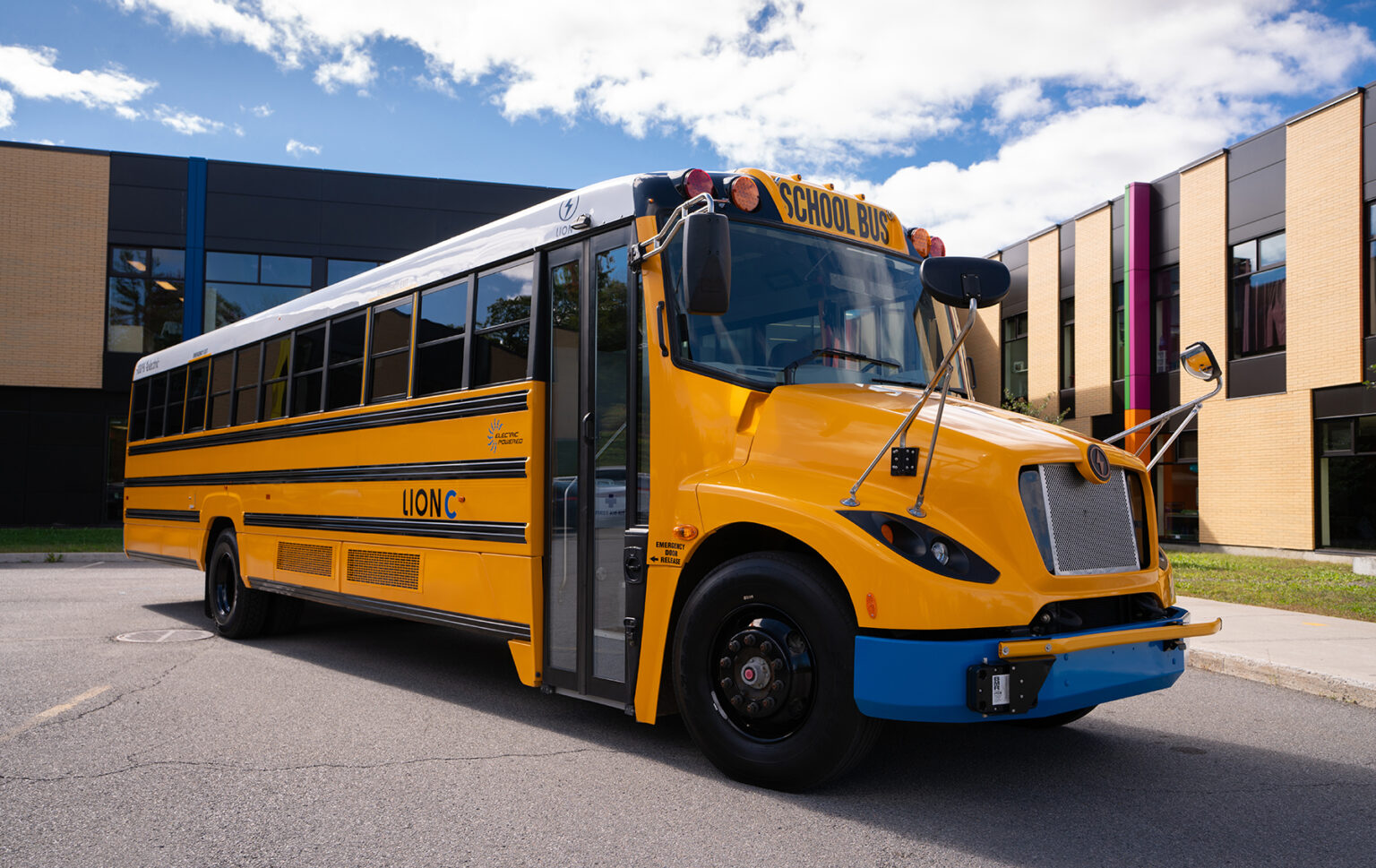
Of the nearly 500,000 school buses operating in the United States today, approximately 95% run on diesel fuel. Mounting evidence shows that diesel exhaust is a major health hazard and can hamper lung development in growing children. Studies also show emissions of toxic gas molecules, like nitrogen oxides, are higher when heavy-duty vehicles such as school buses run at low speeds through neighborhoods.
The good news: electric school buses are on the rise in Florida. The Environmental Protection Agency (EPA) is offering $500 million in rebates using the Volkswagen Mitigation Trust Fund. The Florida Department of Environmental Protection awarded $57 million to Florida school districts for electric school buses. Miami-Dade and Palm Beach counties have been approved for 50 new buses, Broward will get 60, Pinellas and Manatee counties will get 20 new buses, Sarasota County will get 12, and Orange County will get six. Read more.
Read the sign-on letter urging electric school bus deployment and a related article from Capital Soup.
On October 4, 2023, the Electrification Coalition convened policymakers and industry representatives from across the Southeast in Charlotte, NC, to discuss issues affecting rural transportation electrification in Florida, Georgia, and the Carolinas. Areas of focus included workforce development, the role of utilities in the transition, battery recycling, and more. Click here to view speakers and relevant resources on the event page.
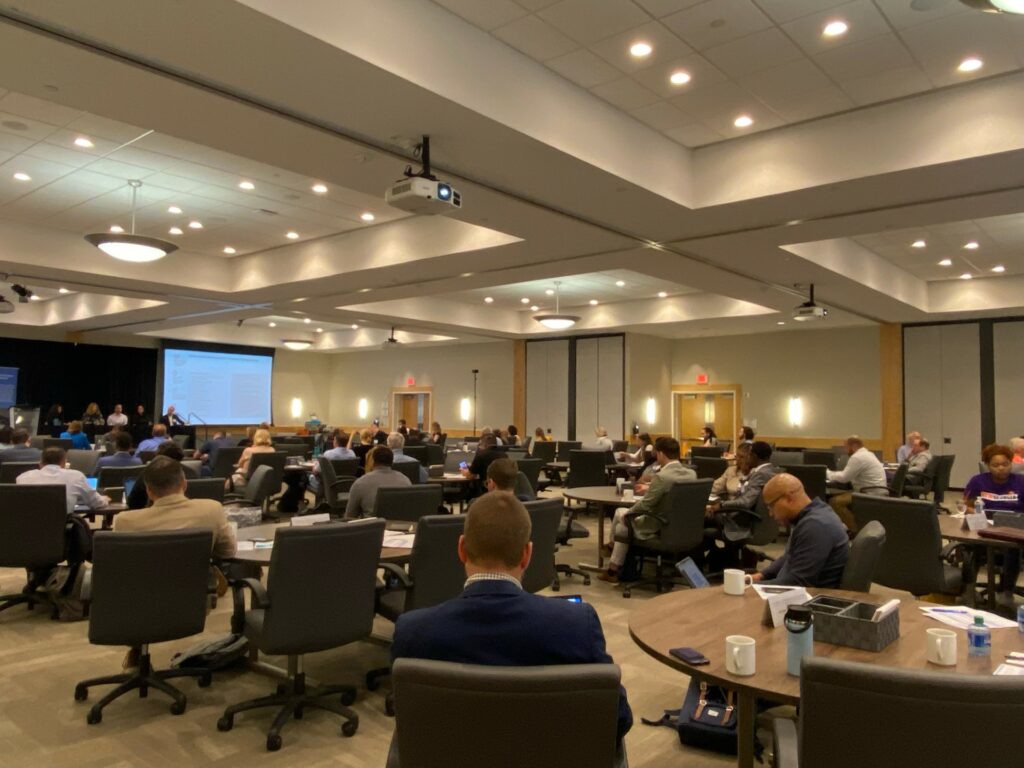
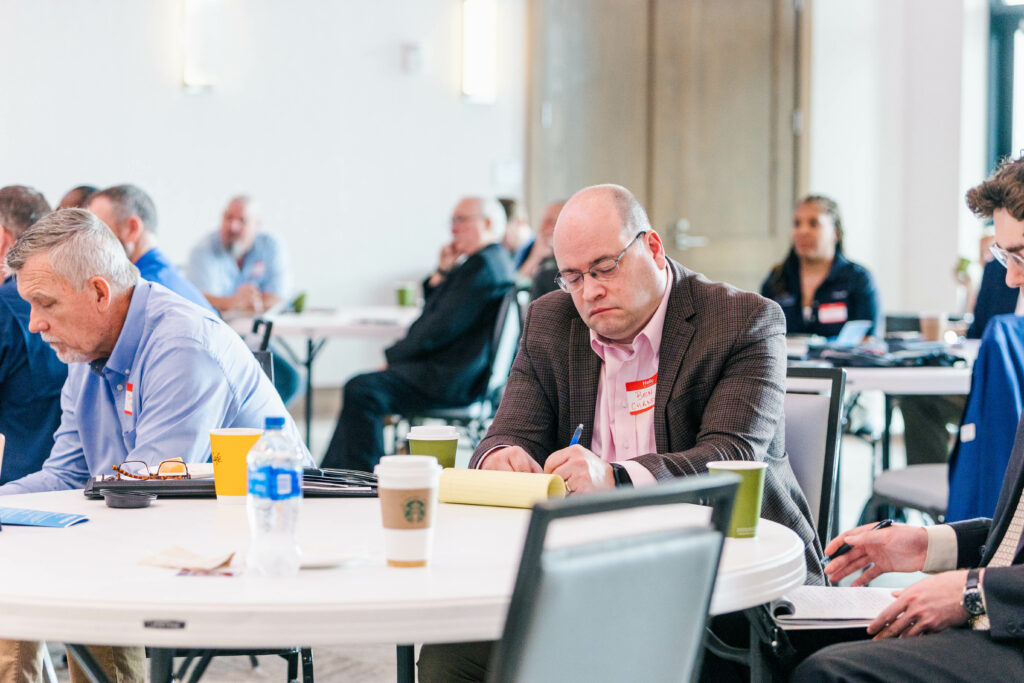
On February 28, 2023, the EC convened local and state leaders for “The Shift From Gas to Grid,” a roundtable discussion on vehicle electrification in rural Florida. Community leaders, industry representatives, and policymakers shared insights on best practices, funding opportunities, and community needs. Participants talked about the many benefits of EVs to Floridians, including the lower operating costs and increased economic development opportunities.
© 2024 ELECTRIFICATION COALITION
Subscribe to our newsletter to receive information about projects, policy developments, electrification news, market insights, and more.
Amy Malaki is the Director of Partnerships and Policy at SkyNRG and SkyNRG Americas, pioneering global leaders in sustainable aviation fuel production and supply. Prior to SkyNRG, Amy was the Associate Director for the transportation portfolio at the ClimateWorks Foundation where she developed philanthropic investment strategies to advance a sustainable, equitable and low-carbon mobility system. She also pioneered the organization’s international aviation decarbonization strategy. Prior to that she focused on Asia business development at Better Place, a Silicon Valley electric vehicle network startup. She has a B.A. in Chinese and China studies from the University of Washington and an M.A. in international policy studies (energy and environment) from Stanford University.